
Psilocybin-Assisted Psychotherapy
An invitation to explore, heal, and reconnect
Psilocybin-assisted therapy is an emerging approach to healing and personal growth that combines the potential of psilocybin mushrooms with intentional preparation, a supportive therapeutic environment, and thoughtful integration.
Psilocybin, a naturally occurring compound found in certain mushrooms, has been used for centuries in traditional and ceremonial contexts. Contemporary research is exploring its potential to support healing from depression, anxiety, and existential distress, as well as its capacity to facilitate meaningful psychological experiences.
By temporarily shifting familiar patterns of thought, perception, and emotion, psilocybin may create opportunities to encounter ourselves and our lives from new perspectives. For some, these experiences bring a greater sense of connection, self-compassion, belonging, or renewed meaning and purpose. Others may encounter grief, uncertainty, or long-held emotional patterns that are ready for attention.

Psilocybin is not a cure or a shortcut. It may be a catalyst for change, but the deeper work of healing extends well beyond the medicine experience itself.
Meaningful change often unfolds through an ongoing commitment to personal growth, supported by psychotherapy, somatic practices, relationships, time in nature, and other sources of nourishment and connection.
For some people, one experience may open important new perspectives. For others, the work may unfold gradually over months or years, sometimes including additional medicine experiences when appropriate.
Rather than seeking a singular breakthrough, we approach this work as an opportunity to deepen your relationship with yourself and carry new understanding into the ways you live, relate, and participate in the world.

What Does Psilocybin-Assisted Therapy Involve?
Each person's journey is unique. The process is collaborative, individualized, and facilitated by careful attention to your needs, readiness, and intentions.
-
Initial consultation and screening
We begin with a conversation about what brings you to this work, what you hope to explore, and whether psilocybin-assisted therapy may be an appropriate option.
A comprehensive screening process considers your psychological and medical history, current medications, personal circumstances, and available supports. We discuss potential benefits, risks, contraindications, and alternatives so you can make an informed decision about participating.
Sometimes screening reveals that additional preparation, another therapeutic approach, or postponing the experience may be more supportive.
-
Creating the conditions for exploration
Meaningful psychedelic work begins well before the medicine experience.
Preparation provides an opportunity to develop trust, clarify intentions, explore relevant aspects of your personal history, and cultivate the inner resources that can support you during an altered state of consciousness.
Together, we consider the distinction between intentions and expectations. Rather than trying to control what unfolds or seeking a particular outcome, we practice approaching the experience with curiosity, openness, and compassion.
Preparation may also include mindfulness, somatic awareness, grounding practices, and exploring your relationship with uncertainty.
The goal is not to eliminate vulnerability, but to establish a foundation of safety, trust, and readiness.
-
A supported journey inward
Psilocybin experiences are deeply personal and can vary considerably.
You may encounter vivid imagery, meaningful memories, unfamiliar emotions, changes in your sense of self, or feelings of connection to something larger than yourself. You may also encounter uncertainty, fear, grief, or experiences that are difficult to understand.
Within a carefully prepared and legally regulated setting, your facilitator offers a steady, compassionate presence throughout the experience.
My approach is supportive rather than directive. I do not determine what your experience should mean or what you should discover. Instead, I honor your autonomy and capacity for inner exploration while attending to your physical and emotional safety.
There is no particular experience you need to have, and no expectation of a dramatic breakthrough.
-
Making meaning of the experience
Following the medicine session, we begin the process of reflecting on what emerged.
Integration offers space to explore memories, emotions, images, insights, or questions that arose during the experience. Some aspects may feel immediately meaningful, while others may remain confusing or difficult to articulate.
Rather than rushing to interpret everything, we approach the experience with curiosity and patience.
Together, we consider what feels significant, what may need further attention, and how the experience relates to your larger life.
-
Bringing insight into everyday life
The medicine experience may open a door, but lasting change develops through how we live afterward.
Integration is not simply remembering or understanding what happened. It involves discovering how new awareness can become embodied in your relationships, choices, habits, and ways of caring for yourself.
Sometimes this means making tangible changes. Other times, it involves a quieter process of noticing familiar patterns, cultivating self-compassion, or learning to respond differently to life's challenges.
Ongoing psychotherapy, EMDR, somatic practices, creative expression, time in nature, and other meaningful supports may help sustain this process.
The intention is not simply to have an extraordinary experience, but to allow what is meaningful to take root in ordinary life.

A Grounded, Whole-Person Approach
My work brings together neuroscience, trauma-informed psychotherapy, somatic awareness, and respect for the psychological, existential, and spiritual dimensions of human experience.
I understand healing as more than the reduction of symptoms. It can also involve reconnecting with parts of ourselves that have been neglected or protected, developing a more compassionate relationship with our inner lives, and discovering new ways of being in relationship with others and the living world.
Psychedelic experiences can sometimes invite us beyond familiar stories about who we are. They may offer opportunities to explore identity, belonging, purpose, interconnectedness, and our relationship with the larger mystery of being alive.
These possibilities are invitations, not expectations. Each person's beliefs, values, and ways of making meaning are respected.
My role is to support your process with clinical knowledge, humility, curiosity, and care.
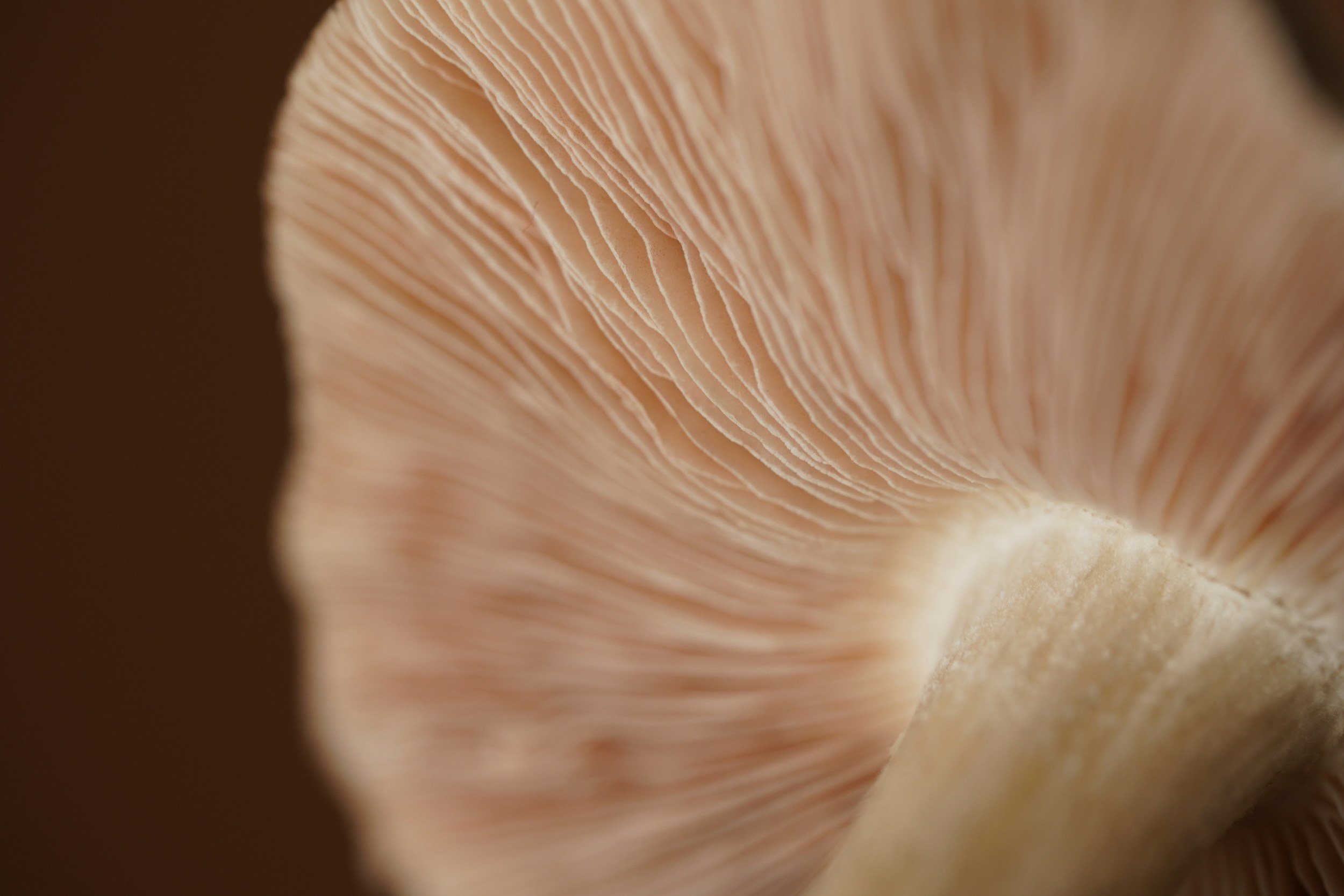
The Science Behind Psilocybin
Over the past two decades, scientific interest in psilocybin has grown considerably. Clinical research has demonstrated promising results, particularly in the treatment of depression and psychological distress associated with serious illness. Ongoing studies are exploring its potential for other mental health concerns.
Psilocybin acts primarily on the brain's serotonin system and temporarily alters patterns of brain activity associated with perception, emotion, and our sense of self. Researchers are investigating how these changes, together with carefully supported therapeutic experiences, may create opportunities for psychological flexibility, new perspectives, and meaningful change.
Although the findings are encouraging, psilocybin remains an emerging therapeutic approach. More research is needed to understand its long-term effectiveness, potential risks, and who is most likely to benefit.
Frequently Asked Questions
-
Not at all. Many people exploring psilocybin-assisted therapy have never experienced psychedelics before.
What matters more than prior experience is your readiness, medical and psychological suitability, and willingness to engage in preparation and integration.
We'll take time to discuss what to expect, address your questions, and develop resources for navigating the experience.
-
There is no single timeline. Preparation is individualized and depends on your history, current circumstances, intentions, and available supports.
For some people, a few preparation sessions may be sufficient. Others may benefit from additional psychotherapy, somatic work, or time to develop greater emotional stability before proceeding.
Readiness matters more than speed.
-
Psilocybin experiences can include moments of fear, confusion, grief, or emotional intensity alongside experiences of insight, connection, and wonder.
Preparation includes exploring ways to navigate challenging moments. During the medicine session, your facilitator provides a steady, supportive presence.
Difficult experiences are not necessarily harmful, nor are they automatically healing. They deserve careful attention, compassionate support, and thoughtful integration afterward.
-
One experience can be meaningful, but lasting psychological change rarely follows a predictable timeline.
Some people report enduring shifts after a single session. Others may benefit from additional therapeutic work or, when appropriate, further medicine experiences.
Rather than focusing on the number of sessions, we attend to how the experience is understood, integrated, and translated into daily life.
-
Psilocybin is not appropriate for everyone. Certain psychiatric conditions, medical concerns, medications, or periods of significant psychological instability may increase the risks.
A thorough screening process helps us consider your individual circumstances, potential contraindications, and whether this approach is appropriate at this time.
Sometimes the most supportive decision is to postpone a medicine experience or pursue another path toward healing.
-
Colorado's regulated natural medicine program permits eligible adults from outside the state to participate in services at licensed healing centers.
Preparation and integration arrangements depend on the applicable regulations, professional licensing requirements, and your individual circumstances.
We can discuss these details during an initial consultation.
Curious to Learn More?
Psilocybin has attracted growing scientific interest, cultural curiosity, and considerable media attention. Alongside promising research, there are also misconceptions, unanswered questions, and sometimes unrealistic expectations about what psychedelic experiences can offer.
Whether you're considering psilocybin-assisted therapy or simply exploring the possibilities, I encourage you to approach the subject with curiosity, discernment, and a willingness to look beyond the headlines.
The resources below offer perspectives on the science, safety, preparation, and ongoing process of psychedelic healing:
Myths and Misconceptions About Psilocybin — A useful starting point for sorting through common assumptions.
A Therapist's Guide to Psilocybin Therapy in Colorado: Healing Beyond the Hype — A balanced clinical perspective.
Why Patience Is Key to Seeing Results in Psychedelic Therapy — Reinforces the importance of ongoing integration.
How to Choose a Psilocybin Mushroom Facilitator in Colorado — Questions to consider when choosing a practitioner.

An Invitation to Explore
If you're curious about whether psilocybin-assisted therapy might be a good fit for you, I welcome a conversation about your interests, questions, and what this work might involve.
There is no expectation that psilocybin is the right path for everyone. Sometimes the most meaningful beginning is simply a conversation.